How Long Does Asphalt Take to Cure?
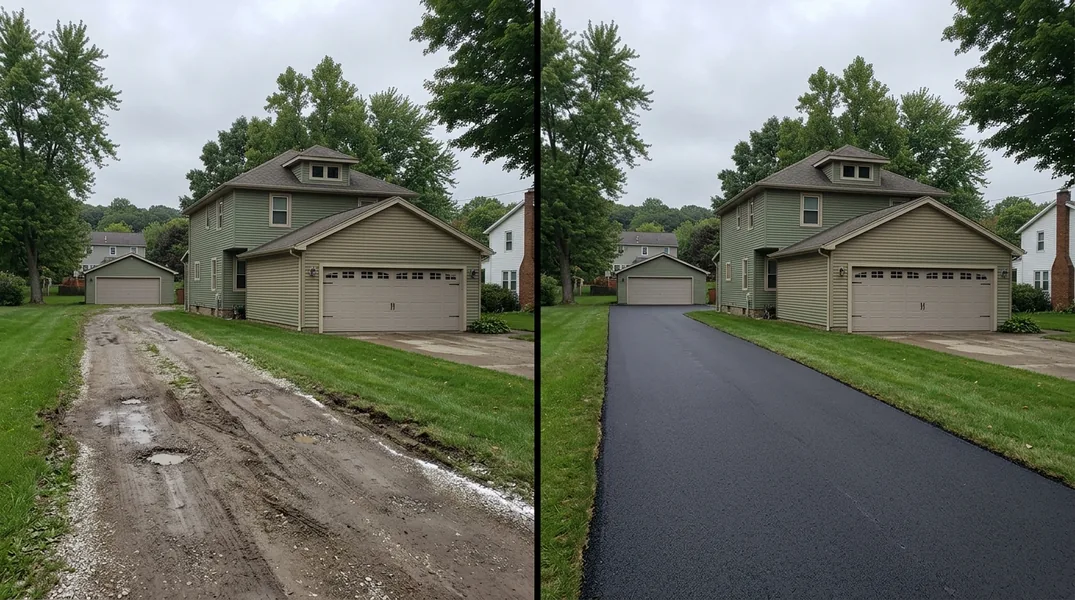
One of the most common questions homeowners ask after investing in Asphalt Driveway Paving & Installation is how long the curing process takes. The answer depends on several factors, but understanding the timeline helps you protect your investment and avoid costly damage during those critical early days.
Asphalt doesn't cure like concrete. Instead, it hardens through a process called oxidation, where the volatile oils in the asphalt binder evaporate. In Akron, where temperatures vary significantly by season, curing times can range from 24 hours to several weeks. During warmer months, typically May through September, asphalt cures faster because heat accelerates the oxidation process. In cooler weather, the process slows considerably. Most professional contractors recommend allowing at least 48 to 72 hours before subjecting your new driveway to regular vehicle traffic, but full curing can take up to 6 months for the asphalt to reach its maximum strength.
How Long Before You Can Drive on New Asphalt?
This is perhaps the most pressing question for homeowners eager to use their newly paved driveways. While your asphalt may feel solid to the touch within a day or two, that doesn't mean it's ready for vehicle traffic. You should wait at least 48 to 72 hours before driving on new asphalt, even if it appears completely hardened. During this initial period, the surface is still vulnerable to tire marks, depressions, and other damage that can compromise the integrity of your driveway.
The exact timing depends on weather conditions. If your new driveway was installed during warm, sunny weather in Akron, you may be able to drive on it after 48 hours. However, if installation occurred during cool or cloudy conditions, or if rain is in the forecast, wait the full 72 hours or longer. Avoid parking heavy vehicles on the surface for at least one week, and try not to make sharp turns or brake suddenly for the first few weeks. These precautions allow the asphalt to continue curing without developing stress cracks or permanent depressions that could lead to the need for Driveway Repair down the road.
New Asphalt Driveway Care: The Critical First Year
The first year after installation is crucial for the longevity of your asphalt driveway. While the asphalt continues to cure over several months, you can take several proactive steps to protect your investment and ensure it lasts for many years. Proper care during this period significantly reduces the likelihood of premature deterioration, cracking, or the need for early Asphalt Resurfacing & Overlay work.
Keep the driveway clean by sweeping away debris regularly and removing oil or fluid spills promptly. Gasoline, motor oil, and other automotive fluids can soften the asphalt binder, causing the surface to become sticky or deteriorate faster. If you notice a spill, clean it immediately with an absorbent material or degreaser designed for asphalt. Additionally, avoid using heavy equipment or machinery on the surface for the first few months. This includes concrete trucks, dumpsters on wheels, or other vehicles heavier than your typical passenger car. The weight combined with the curing process can cause permanent damage that weakens the overall structure of your driveway.
During the first winter after installation, be cautious with snow removal and salt application. While salt helps prevent ice buildup, excessive salt can accelerate deterioration of new asphalt. Use sand or kitty litter for traction instead of heavy salt applications when possible. When removing snow, use a plastic shovel rather than a metal one to avoid scraping the surface. These small precautions during the first critical year will extend the life of your driveway and keep it looking great.
How Often Should You Seal Your Driveway?
Seal coating is one of the most effective ways to protect your asphalt investment and extend its lifespan. Many homeowners wonder when to apply the first seal coat and how often they should repeat the process. The answer depends on several factors, including climate, traffic volume, and the quality of the original installation.
For new asphalt in Akron, wait at least 6 to 12 months before applying the first seal coat. This waiting period allows the asphalt to fully cure and the excess oils to evaporate. Applying seal coat too early can trap moisture in the asphalt and cause adhesion problems. After that initial seal coat, plan to reapply seal coating every 2 to 3 years, depending on weather exposure and how heavily the driveway is used. Homes in areas with harsh winters or intense sun exposure may need more frequent seal coating. In general, if you can see the aggregate stones becoming more visible or the surface is losing its dark color, it's time to seal again.
Seal coating acts as a protective barrier against UV rays, water infiltration, and chemical damage from salt and oil. Regular seal coating prevents the need for more expensive repairs like Pothole Repair & Asphalt Patching and extends the life of your driveway by 5 to 10 years or more. The cost of preventive seal coating is minimal compared to the cost of major repairs or complete replacement. Think of it as an investment in protecting the thousands of dollars you've already spent on your driveway.
Seasonal Maintenance Tips for Ohio Homeowners
Ohio's climate presents unique challenges for asphalt maintenance. The state experiences significant temperature fluctuations throughout the year, freeze-thaw cycles in winter, and intense sun exposure in summer. Understanding how to care for your driveway across all four seasons will help you maintain its condition and avoid premature deterioration.
Spring is an ideal time to inspect your driveway for any damage that may have occurred during winter. Look for cracks, potholes, or areas where the surface is becoming uneven. Small cracks can be sealed with crack filler to prevent water from seeping underneath and causing larger problems. Summer requires attention to UV protection and heat management. Dark asphalt absorbs significant heat, which can cause the surface to soften slightly on extremely hot days. Avoid parking in the same spot for extended periods during peak summer heat, as this can create depressions. Fall is the time to prepare for winter by ensuring your driveway is in good condition before cold weather arrives. Fill any remaining cracks and consider applying seal coat in early fall so it has time to cure before winter weather hits. Winter maintenance focuses on careful snow and ice removal without damaging the surface. Use appropriate snow removal techniques and minimize salt application when possible.
When to Call a Professional for Asphalt Maintenance Near Me
While homeowners can handle basic maintenance tasks like sweeping and cleaning, some situations require professional expertise. Knowing when to call in the experts will save you time, money, and frustration in the long run. If you're unsure about the condition of your driveway or notice significant damage, don't hesitate to reach out to Akron Asphalt Paving for a professional assessment.
Contact us at (234) 437-3372 or request a free estimate if you notice extensive cracking, multiple potholes, significant settling or heaving, or if your driveway is more than 15 to 20 years old. Professional contractors have the tools, experience, and materials to address problems properly and prevent them from worsening. Whether you need seal coating, crack repair, or more extensive work, our team at Akron Asphalt Paving is ready to help protect your investment. We serve the entire Akron area and surrounding communities, and we're committed to providing high-quality workmanship and excellent customer service. Don't let minor issues become major problems. Schedule your consultation today and let us help you keep your driveway in excellent condition for years to come.
Looking for a professional asphalt paving contractor in Akron? Akron Asphalt Paving responds fast for all your asphalt paving needs.
Get a Free Quote